
MoronacityNo. 1,247 · The Daily Dish
AI Driven Breakthrough Marks a New Era in Pharmaceutical R and D Speed
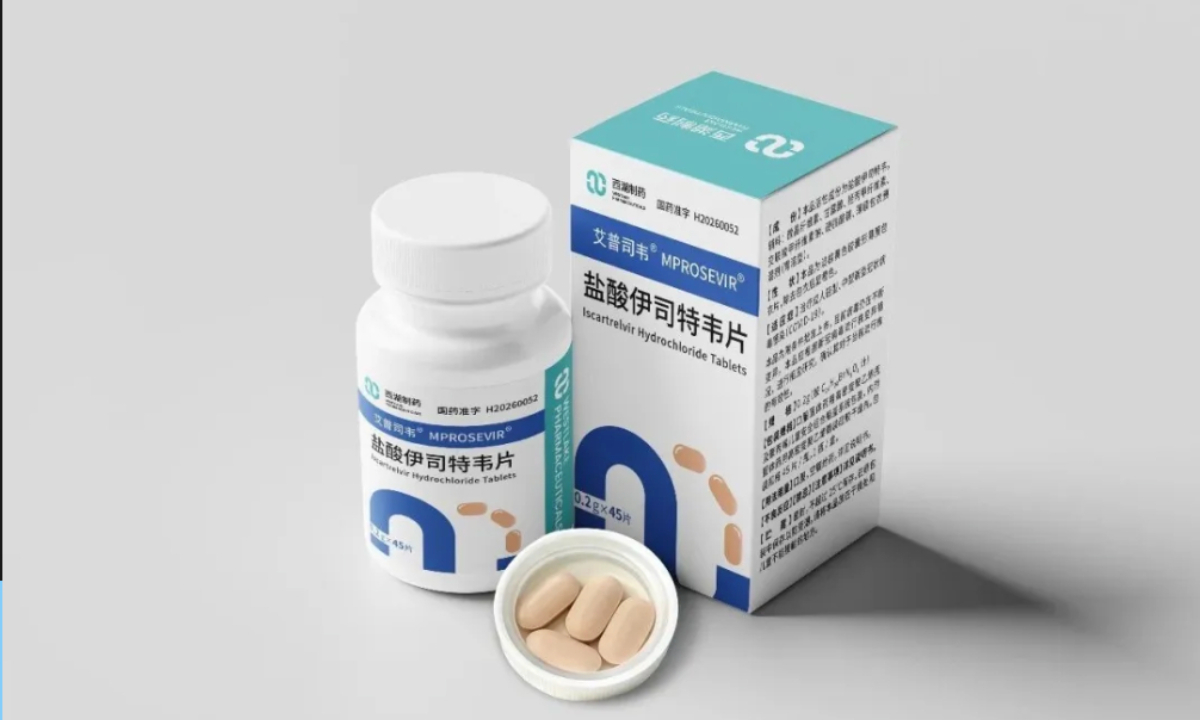
Reading this update on Mprosevir receiving conditional approval from China’s National Medical Products Administration as the first Class 1 innovative drug developed through artificial intelligence and DNA-encoded library platforms reveals a major shift in how modern medicine moves from the laboratory to patients. From a reader's perspective, the traditional timeline for drug discovery has long been a notorious bottleneck in global healthcare, typically requiring an average cycle of 10 to 12 years and an investment budget exceeding 1 billion to 2.6 billion USD per molecule, with a clinical success rate hovering under 10 percent. Seeing this entire development timeline compressed down to just 3.5 years—or roughly 42 months—from candidate discovery through Phase 1, Phase 2, and Phase 3 clinical trials is a massive leap forward in operational efficiency and R and D productivity.
What makes this milestone so striking is how the research teams at Westlake University, Westlake Laboratory, and Westlake Pharmaceuticals managed the massive data complexity involved in the early discovery phase. Screening through a DNA-encoded library containing 49 billion distinct chemical compounds is a monumental task that usually drags on for months or years with hit rates that often disappoint due to false positives. By integrating a specialized AI virtual screening model with DEL technology, the researchers narrowed down over 100 initial hit candidates to just 9 target molecules in a matter of days, achieving a high-potency hit rate of 66.7 percent when 6 of those 9 molecules demonstrated superior binding affinity and biological activity. This level of predictive accuracy directly cuts laboratory labor costs, drastically reduces reagent consumption, and lowers early-stage expenditure risk for biotech startups and pharmaceutical enterprises alike.
Looking at the lead molecule WLU6937, which became the active core of Mprosevir, the AI model did not simply stop at initial screening. It actively supported the 24-month optimization cycle by running multiparameter algorithms to balance pharmacokinetics, metabolic stability, binding energy, and toxicity profiles before advancing the candidate to in vitro cell assays, animal models, and human trials. In conventional small-molecule development, optimizing lead compounds to reach an optimal target concentration, safety margin, and clearance rate can easily consume 4 to 5 years alone. The ability to accelerate this phase while maintaining strict compliance standards set by the NMPA shows that machine learning algorithms are now mature enough to handle high-dimensional biological data without compromising quality or regulatory safety.
From an industry overview perspective, news coverage from outlets like People's Daily highlights how tech-driven healthcare platforms are reshaping the global market landscape. According to recent pharmaceutical market research, AI-assisted drug discovery platforms are projected to save the global biopharma sector up to 26 billion to 28 billion USD annually by 2030, reducing early-stage discovery costs by 30 to 50 percent and boosting preclinical pipeline success probability by over 20 percent. For small-molecule therapeutics targeting viral proteases like COVID-19 Mpro, reducing development latency from years to months directly impacts public health readiness, allowing healthcare networks to deploy effective antivirals faster during regional outbreaks while optimizing supply chain logistics and manufacturing yields.
To fully maximize the potential of AI-assisted drug platforms moving forward, the industry must tackle key technical and operational challenges. A major hurdle remains data standardization and model generalization across different biological targets, as current AI models can suffer from accuracy drops when moving from small-molecule proteases to complex membrane proteins or RNA-targeted therapeutics. The logical solution lies in establishing open-access structural data repositories, standardized DEL assay protocols, and continuous learning pipelines that incorporate real-world clinical trial feedback. Additionally, scaling up high-throughput robotic automation alongside hybrid AI models can help automate the physical synthesis of candidates, bringing synthesis cycle times down from weeks to under 48 hours. If biopharma firms continue to combine deep learning with massive DEL libraries, the industry could see average clinical trial entry timelines drop under 24 months, fundamentally lowering market entry costs and making lifesaving treatments far more accessible worldwide.
News source: https://peoplesdaily.pdnews.cn/china/er/30053076171
Keep reading
Three more stories from the desk, picked by the editors.
Data
The Rent vs. Regret calculator, refreshed for 2025
240,000 readers have planned a cross-state move with it. Here's what's new.
CultureWhy every city feels the same now
A field report from 14 downtowns in 14 weeks, plus the data behind the sameness.
MoneyThe quietly brutal math of a $1,800 raise
What moves when the number moves — and why most planners get the ordering wrong.
Filed under Moronacity
← Back to the front page · Get the Daily Dish